 Back to Blog
May 19, 2026
7 minutes read
From Boring to Brilliant: How Emojis Transform Marketing Messages
All people use emojis to communicate and promote messages to their consumers. Promotions and marketing without emojis lack a personal touch. People are more likely to remember a message when the message is more human-centered.
Emojis, going hand in hand with marketing messages, transform messages into personable marketing messages.
That being said, there is a risk to this over-marketing. Good use of emojis in marketing is required.
Why Emojis Work: The Psychology Behind Visual Language
Emojis are good for marketing. Customers want to view marketing emojis in their messages. Customers are engaging too when good marketing is done.
Verbal and nonverbal cues are good too for marketing. Motivation to interact is created. Customers want marketing messages when they see they have personality.
Companies need to use good marketing messages to see the benefits. Eye emojis are personal and not faceless.
The Right Approach to Using Emojis in Marketing
Using emojis in marketing requires a balance. Use too many, and you lose credibility. Use too few, and the message gets lost. Tone, audience, and context are the factors that matter most and the factors that should shape the final decision.
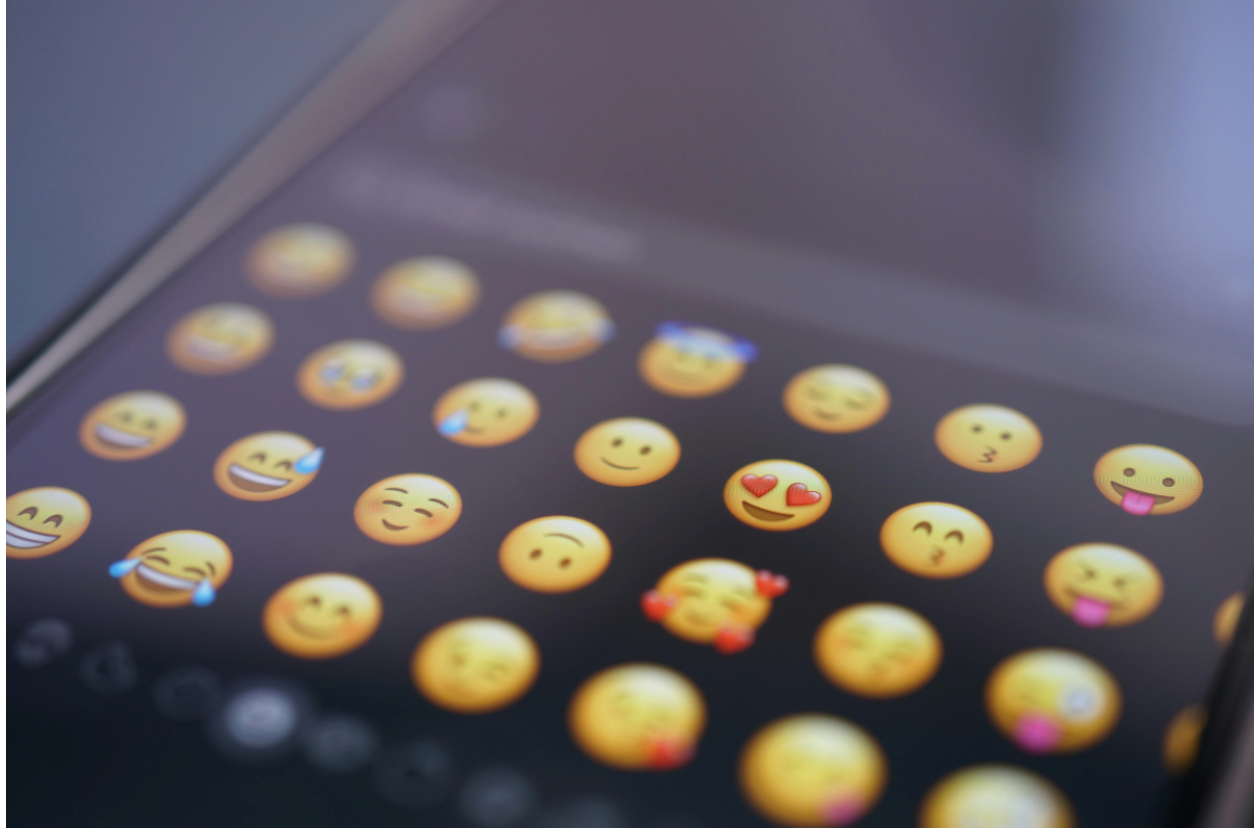
A Quick Example:
Compare these two messages:
- “Your order has shipped. Thank you for shopping with us.”
- “📦 Your order’s on the way! Thanks for shopping with us 😊”
The second feels personal, friendly, and alive - all through two simple emojis. That’s the emotional shorthand that makes emojis a marketer’s secret weapon.
Here are a few extra examples. First, without emojis.
- “Last chance to save 20%!”
- “Happy Friday! Time to wrap up the week strong!
- “We’ve received your feedback.”
And here’s how those messages improve drastically just by adding a couple of emojis:
- “⏰ Last chance to save 20%! Don’t miss out 🔥”
- “🎉 Happy Friday! Time to wrap up the week strong 💼”
- “👍 Thanks for your feedback - we’re on it 💪”
The Smart Way to Use Emojis in Marketing

Using emojis in marketing requires a balance. Use too many, and you lose credibility. Use too few, and the message gets lost. Tone, audience, and context are the factors that matter most and the factors that should shape the final decision.
1. Match Your Audience’s Style
You can tell the audience you are writing to by how you communicate. If the audience that communicates with emojis a lot is younger in age, then using emojis in messages will feel natural.
For a B2B audience or more conservative industries, the emojis should be used more reservedly and intentionally. A couple of emojis can add some personality without going overboard.
2. Keep It Platform-Appropriate
Different platforms have different targets and uses. If you're using emojis in a text message, you should be very simple and to the point. For example, a single emoji can increase engagement by up to 25%.
3. Align with Brand Voice
A fun brand voice may use emojis more freely. A more premium brand, however, will want to use emojis more sparingly, as a tone complement, rather than as a tone guide.
A single 🌿 or ✨ can add some quiet sophistication to the message, while still being professional.
Eliciting Emotion from Words
Using emojis in your marketing copy is an easy way to communicate an emotion (whether it's excitement, urgency, or trust, which are all emotions that drive action). But emojis are not all created equal.
Follow these guidelines to select the appropriate emoji(s):
- Reinforce meaning: Use emojis to accent your message, rather than replace it. For instance, using a 🔥 next to a discount offer helps amplify the urgency.
- Stay relevant: Only use emojis that fit the context. Using random emojis can derail your message.
- Avoid confusion: Some emojis can have opposing meanings overseas. Always double-check emoji meaning before going global with it.
Additional Idea 💡
Using emojis can make the more ‘in your face’ conversion-driven language more subtle. When asking customers to finalize a purchase, or require an action in a message (response to a text, etc), using an emoji such as 😊 or 👈 decreases friction, makes the CTA more personal, and can increase click rates.
It's a small emotional nudge from an emoji that some brands don't use, which is a shame, because it can be really effective to use in copy intended to drive conversion.
Engagement Metrics on Emoji Use
The marketing world needs no more evidence on the creative impact of emojis. Their real impact is a topic of considerable scientific study. Research reveals:
- Emails featuring emojis in subject lines opened more frequently (an increase of 56% in some sectors).
- Engagement with Tweets is 33% higher if an emoji is present.
- Emojis increase the rate of push notification clicks by up to 9%.
Tags and campaigns that emojis are a part of perform better from a marketing perspective.
Digital Marketing Strategies to Improve with Emojis
Every part of a digital strategy can easily and creatively incorporate emojis. Here is how they can enhance performance on a few of the many digital marketing channels:
- Email marketing - To increase the chances of being noticed, emoji(s) can be added to subject lines to make them stand out.
- Social Media - Use emojis to express tone more effectively. They can also be a great channel for initiating further engagement in the form of reactions and shares.
- SMS marketing - Blend emojis with concise copy for maximum emotional impact, making them ideal for effective campaigns.
Ad copy - A small emoji can be used to emphasize key benefits and to better direct the reader's attention to discounted offers without making the advertisement text disproportionally cluttered.
Different platforms have different policies and functions, but the core policy should be the same. Emojis should be considered emotional cues that belong alongside your message, rather than overshadowing it.
When Emojis Are a Bad Idea
There are certain situations where the use of emojis would be inappropriate, such as:
- When you are working in highly regulated and formal sectors ( like finance or healthcare).
- When the topic you are dealing with is serious or sensitive.
- When the audience you are addressing is unfamiliar with the etiquette around emoji use.
In such scenarios, the message runs the risk of sounding greatly out of touch and unprofessional. This is a risk that, in these scenarios, is likely to outweigh any potential engagement with the audience that the emojis would.
Future Plans for Emoji Marketing
Emoji use in etiquette and communication is on the rise, and brands are beginning to market emojis as a communication tool and as part of a brand’s long-term communication plan.
In the coming campaigns, we can expect the use of custom emojis, branded reactions, and AI personalization. Smart marketers will use emojis in a data-driven and communicative manner, aiming to evoke real emotions through emoji use.
Conclusion: Emoji Strategy
When emojis are used correctly, they can transform a message into a highly engaging manner. With this in mind, it should be clear that there is a certain level of intention behind the use of emojis in marketing. Emojis in marketing are meant to be an emotional representation of the strategy to use emojis. It should be obvious that each emoji has a reason to be included in the message. Unlike most other businesses, we put the time and effort into showing our customers and competition how to use emojis effectively (and beautifully) in a one-of-a-kind, genuine, and honest form of text.
Let’s face it, the competition is offering MORE EMOJI STUFF, and we don’t want to do the same thing. We want to do something different. We want to make this our own. So, if you want to transform the customer-editorial staff communication further and you want a seamless, emotion-driven communication system, contact TopMessage. We can help you manage, measure, and optimize the cross-channel efficiency of your customer communication tools and make emotion-based communications easier to use.
FAQs
Do emojis actually increase engagement rates?
Yes. When used correctly, emojis can significantly improve open and click-through rates. They add visual appeal and emotional tone, making messages stand out in crowded feeds or inboxes.
How many emojis should be used in a single message?
One to three is ideal for most platforms. More than that can appear unprofessional or overwhelming. The goal is clarity and emotional resonance, not decoration.
Are emojis suitable for all audiences?
Not always. While younger demographics embrace them, older or more formal audiences might perceive excessive emoji use as unprofessional. If you plan on using emojis for marketing, always test and segment based on audience behavior.
Can emojis replace words entirely?
No. Emojis should support meaning, not replace it. Overreliance on them can cause misinterpretation, especially across cultures or devices.
What’s the best emoji to boost conversions?
It depends on context, but arrows (👉), fire (🔥), and smiley faces (😊) often perform well because they direct attention or create positivity. However, always test what resonates with your specific audience.