 Back to Blog
June 17, 2026
5 minutes read
Why Order Tracking via SMS and WhatsApp Improves Customer Experience
There is huge competition in e-commerce now more than ever. Customers no longer expect just the ability to place an order. They expect to constantly keep track of their order in real time and communicate about it every step of the way. Because of this, SMS order tracking and WhatsApp order tracking have become indispensable features for companies that value customer experience. When customers receive automated delivery updates, they receive more value for their purchase. When customers receive no updates about their order, they become more and more frustrated. To clarify this, it is important to address the subject of order tracking in detail.
The Role of SMS and WhatsApp in Order Tracking
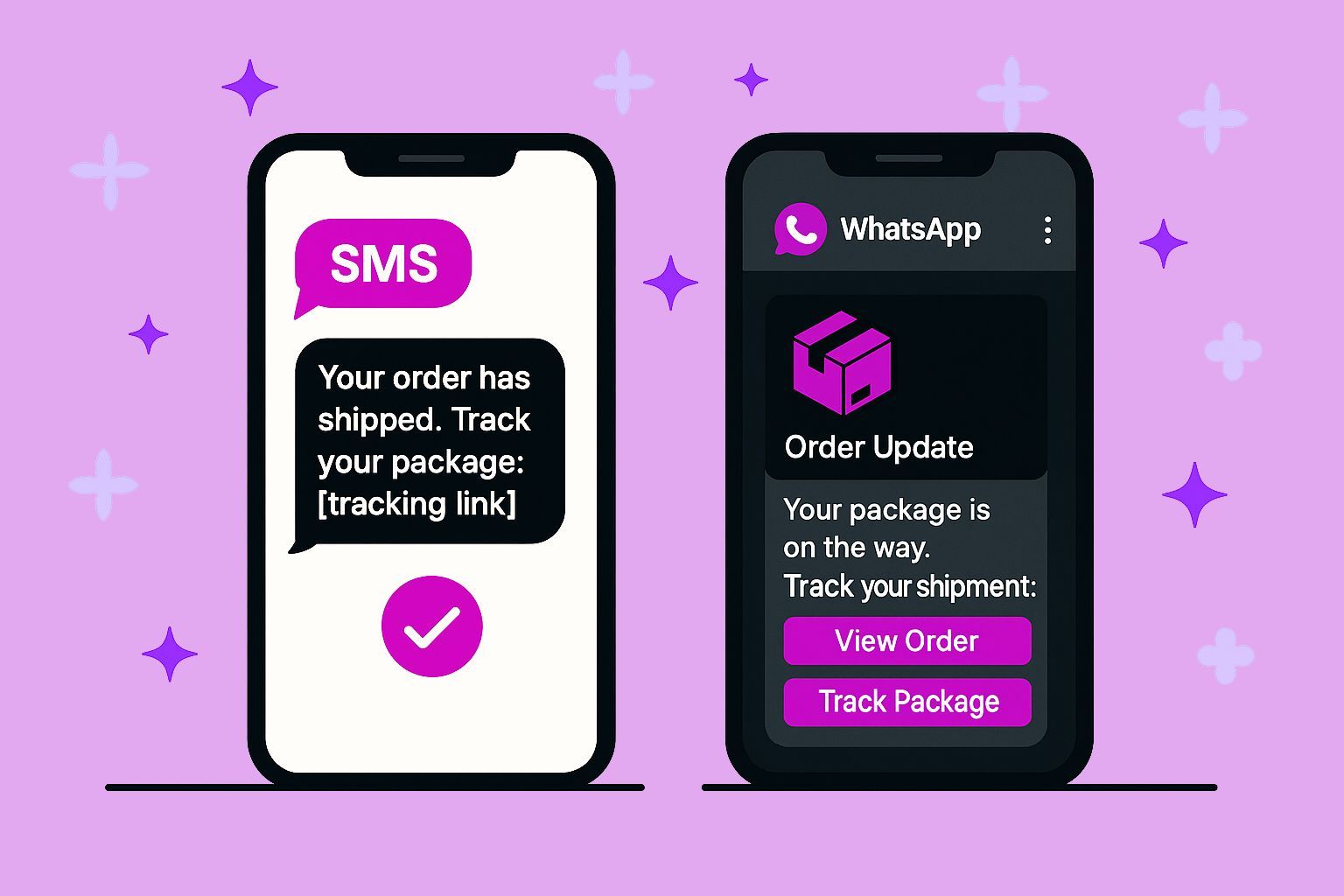
To begin with, SMS order tracking is the ability of a business to send short updates directly to a customer's phone. There is no need for app downloads to receive these updates, and they reach customers almost universally. On the other hand, WhatsApp order tracking allows businesses to send more varied types of content, such as pictures of delivery packages, links to track the order through an external website, and buttons that can send messages like "Contact Us" and "Change Delivery Time". All of these features combined create a feedback loop where:
- The customer receives a message.
- They open their SMS inbox or WhatsApp inbox.
- They view their status and optionally respond with any needs or questions.
By combining both channels, businesses meet customers where they are and meet expectations in real time.
Benefits of SMS Order Tracking
There are many reasons why using SMS order tracking adds value to the customer journey:
- Instant visibility — As soon as the order ships, a message goes out. That means no “waiting and wondering”.
- High open-rates — SMS messages have some of the highest open rates among digital communications, making SMS shipping updates effective and dependable.
- Simplicity — Customers don’t need to log into an account or install another app.
- Scalability — Using an SMS API, businesses can automate these updates as part of a marketing campaign or transactional workflow.
- Trust & engagement — Regular, relevant updates reduce anxiety and build trust, improving brand reputation.
When you integrate customer delivery updates SMS into your operations, you’re not just sending texts; you’re communicating care.
Why WhatsApp Order Tracking Elevates the Experience
Greater versatility is added to order tracking with WhatsApp as opposed to SMS tracking. You can share photos of the order being packed, embed tracking URLs, and incorporate conversational support. For customers, these features correlate to less click fatigue and ultimately result in a more individualized experience. More engagement occurs with WhatsApp than with SMS tracking.
For example, consider a customer who receives a message on the WhatsApp application stating, “Your order is out for delivery, track it live here,” and the message includes a live map and has a “Contact driver” button. This is a much more engaging tracking experience than receiving an alert via SMS. This user experience is what is driving brands to combine SMS order tracking with WhatsApp order tracking to enhance the impact.
When to Use SMS Order Tracking vs WhatsApp Order Tracking
Audience and purpose are the key differences in determining if order tracking via SMS or WhatsApp is appropriate:
- Use SMS when you need guaranteed reach. For example, customers who may not have WhatsApp, have poor internet access, or are in emergencies.
- Use WhatsApp when you want engagement, interactivity, and richer media. Smart brands enable both by using a messaging API that detects which channel a customer prefers or which device they’re using. That ensures the delivery of updates is seamless, reliable, and tailored.
By doing so, you’re not just sending an update; you’re optimizing the experience.
How to Implement Order Tracking via SMS and WhatsApp
To get started, here is a checklist of things to do to set up an effective tracking system:
- Define your key events (order confirmation, dispatch, in transit, delivered).
- Choose your update channels: either SMS order tracking alone or a combination with WhatsApp order tracking.
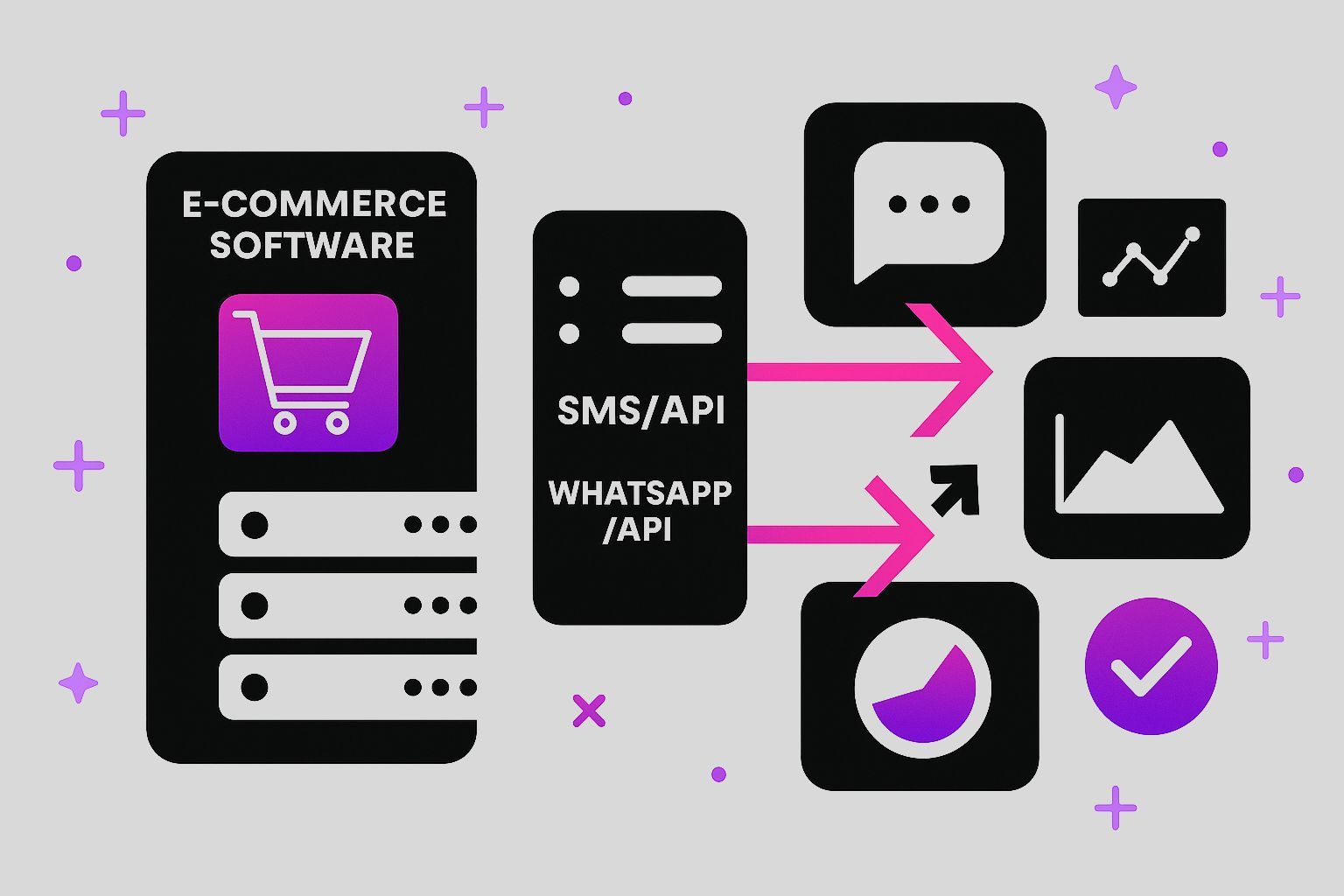
- Integrate your backend system with an SMS API and a WhatsApp API to automate the messages.
- Draft message templates that are short, clear, and helpful (e.g., “Your package #123 is on its way. It will arrive today between 3-5 pm. Track here.”)
- Ensure replies are monitored through your SMS inbox or WhatsApp inbox, allowing you to handle exceptions (reschedule, cancel, route issues).
- Measure key metrics: delivery rate, open rate, link clicks, and support replies.
You are not just building a tracking channel, but a better customer experience.
Introducing TopMessage for Order Tracking and Engagement
TopMessage assists clients with both SMS marketing for delivery notifications and more comprehensive interactive chatbot flows for WhatsApp. Our app automates the entire fulfillment messaging flow from order confirmation to delivery notifications through integrated messaging APIs. You will also be able to review your responses through your SMS inbox or WhatsApp inbox. You will also be able to keep your customer updated and engaged every step of the way. Whether launching a marketing campaign for post-purchase engagement or for building transactional flows, we help create and maintain consistently reliable messaging to the customer, timely delivery of messaging, and allow for easy rebranding of the entire product to the customer's specifications.

Real-World Impact: Why Tracking Matters
Think about it: when customers know the status of their order, they feel in control. When they don’t, they’re uncertain and uneasy. A well-delivered SMS shipping update or WhatsApp message can reduce support calls, minimize frustration, and improve satisfaction. Brands that embed crisis communications messaging within order-tracking flows (yes, it sounds intense, but delays are crises to some customers) find fewer escalations and better feedback.
Order tracking at its finest
Offering both SMS order tracking and WhatsApp order tracking transforms your delivery experience from “just shipped” to “we’ve got you.” When customers receive timely, meaningful updates, they feel valued, informed, and confident. That’s how you turn shipping into an experience, and every order into a positive brand moment.
FAQs
How does WhatsApp order tracking work?
WhatsApp order tracking lets you send rich-media updates (images, maps, links) and interactive buttons inside a chat environment, giving customers more detail and engagement.
Why use SMS shipping updates instead of email?
SMS messages are far more likely to be opened quickly. When a delivery is imminent, using SMS shipping updates lets you reach customers promptly and ensure they’re ready.
How can I integrate both channels into my system?
Use integrated messaging systems with an SMS API and a WhatsApp API. These allow you to automate order-status messages, track delivery, and monitor replies in an SMS inbox or WhatsApp inbox.
Do I need to run a marketing campaign for delivery updates?
Not necessarily in the traditional sense, but SMS marketing for delivery updates works if you treat order updates as part of your overall customer engagement strategy.
What metrics should I track for order-tracking communications?
Track delivery and read/open rates, link-clicks in WhatsApp or SMS, support-reply volume, and customer satisfaction scores post-delivery.
Can order tracking help reduce customer service load?
Yes, by providing clear and timely updates via SMS order tracking and WhatsApp, you reduce customer anxiety and the number of inbound support calls significantly.