 Back to Blog
May 26, 2026
6 minutes read
From the First Text Message to Today: The Evolution of Texting
The history of communication boasts many milestones. Perhaps the most transformative of these have been the advancements in text messaging. From the Old Phone texting of yesteryear to today, where we message via Artificial Intelligence, texting has become not just a convenience but a necessity both culturally and in business. This article seeks to explore the fascinating journey from the first text message to today’s tools, such as Unified Inbox and SMS Marketing, and demonstrate how texting has become a standard in global communication.
The Early Days of Text Messaging
The history of texting can be traced as far back as December 1992. This was the year the first text message was sent by a software engineer, Neil Papworth. The text simply read: ‘Merry Christmas.’ Although this achievement may seem minor, this remarkable achievement paved the way for many. Papworth sent this message on an SMS which then was 160 characters and only accessible on selected networks.
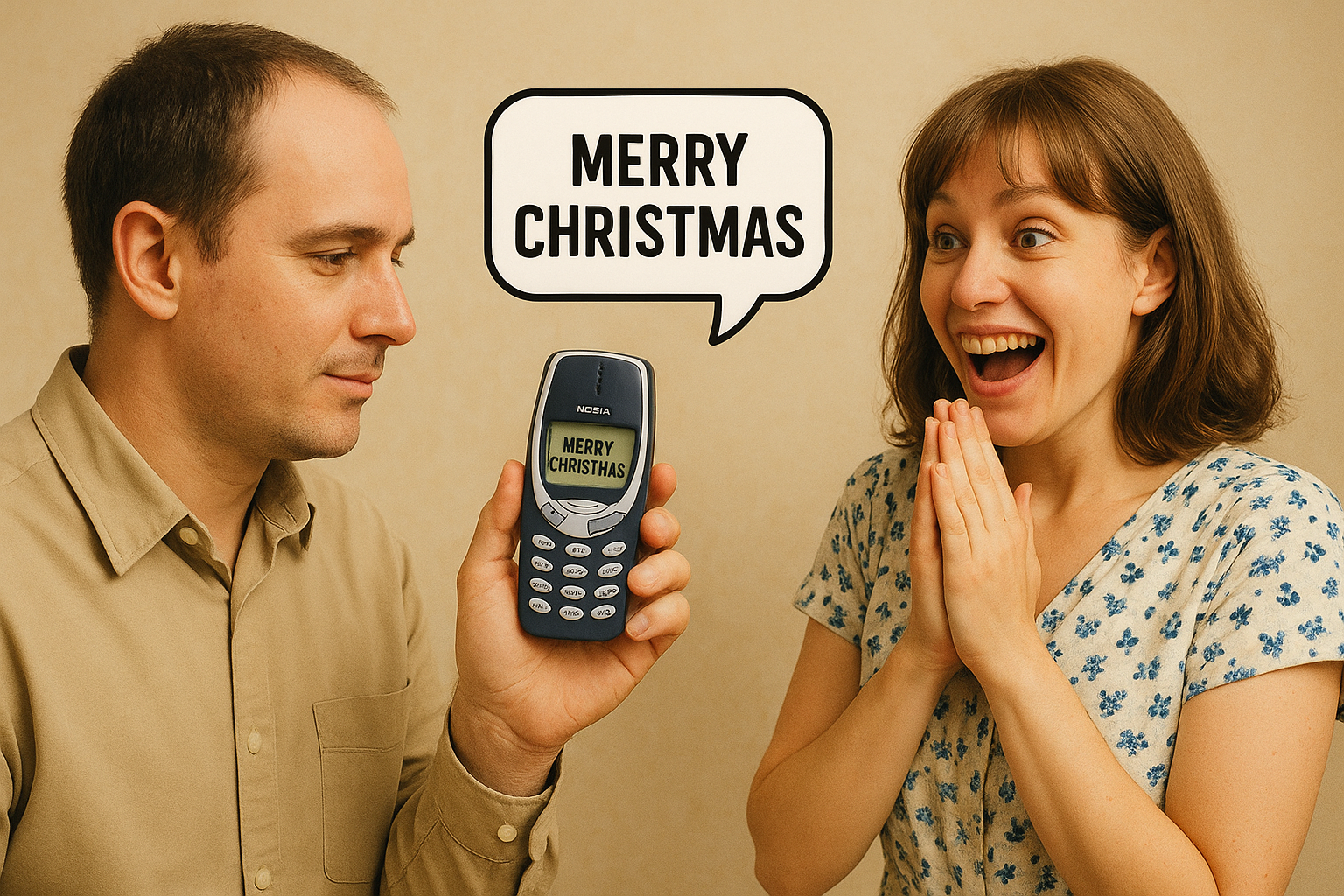
For a couple of decades, customers of old phone texting services could send messages from their mobile phone to another. However, if a user wanted to send a message, they first had to type the words using their phone's number keypad. Each number from 1 to 9 represented a set of letters. Users had to press a number multiple times to reach their desired letter. This method, as one can imagine, was pretty tedious. However, the efficiency and privacy of texting caught the attention of people, and a movement of texting over making phone calls began. This leads us to a pretty commonly asked question. When was the word text message invented? The phrase became commonplace during the early 90s when texting became advertised by various networks. It was an embedded term by the mid-90s. As more people came to view text messages as a pivotal advancement in digital communication, the growth in the use of text messages was unparalleled.
Old Phone Texting: The Growth of a Phenomenon
During the late 1990s and early 2000s, texting started to become an essential feature across the mobile telecommunications market. It was popularized due to how easy and affordable it was, especially when it came to spreadsheets and SMS bundles, thus making it widely available to teens, who were usually at the forefront of setting new communication trends. When people pose the question: When did texting begin? When was text messaging created? The answer must go back to the late 1990s and early 2000’s as the perfect intersection of technology and culture was happening. SMS originated as a novelty and quickly became the primary form of everyday communication.
At the same time, the technological capabilities of the mobile networks were also being greatly improved. The first mobile phone to reach the mass market, which came with SMS functionality, was the Nokia 2010, which shifted the use of SMS from a nicety to a cultural phenomenon. By the early 2000s, the act of sending text messages became a form of social identity via the use of a new digital language which consisted of a variety of abbreviations, emojis, and acronyms.
From Personal Messaging to Business Use
As texting matured, businesses began to recognize its potential. With old phone texting as the foundation, companies experimented with SMS for customer support and promotions. Soon, SMS marketing campaigns became a key strategy for retailers, event organizers, and service providers. Texting’s reliability was a major advantage. Unlike email, which could be ignored or end up in spam, SMS has an incredibly high open rate. For businesses, this made text messaging one of the most effective channels for reaching customers directly.

This is also when people began wondering, when did texting come out as a tool for marketing and sales? The answer: in the early 2000s, when industries discovered that customers were far more likely to engage with a short, timely text message than a long email.
Modern SMS: From Phones to Platforms
The leap from old phone texting to today’s advanced messaging platforms is remarkable. No longer confined to 160 characters, texting now integrates seamlessly with apps, social media, and web tools. The rise of WhatsApp, iMessage, and RCS (Rich Communication Services) has blurred the lines between SMS and internet-based messaging. For businesses, the evolution brought advanced solutions like the SMS inbox and the unified messaging inbox, where the following flow into one place:
- SMS
- Social media conversations
Tools like these, often supported by SMS API integrations, help companies automate workflows, segment audiences, and personalize messages at scale.
Creating Smarter Workflows with TopMessage
In this digital era, we are at the forefront of innovation. At TopMessage, we help clients create effective SMS marketing campaigns, provide tools to convert users and generate new ones, and unify communications across channels. Whether a brand needs to write marketing text messages that convert or implement a large-scale workflow SMS system, we offer advanced dashboards, automation, and analytics to ensure every text delivers measurable results. Our expertise makes us a trusted partner for businesses navigating today’s fast-moving communication landscape.
The Cultural Impact of Text Messaging
When people ask, when was the word text message invented?, they are really asking about when texting became part of everyday life. By the mid-2000s, SMS had moved beyond being just a tool. It became a cultural touchstone. From voting on reality TV shows to receiving breaking news alerts, texting was everywhere. The introduction of emojis further enhanced communication, turning text into a medium for self-expression. What started as a simple system for short notes grew into a vibrant language of its own.
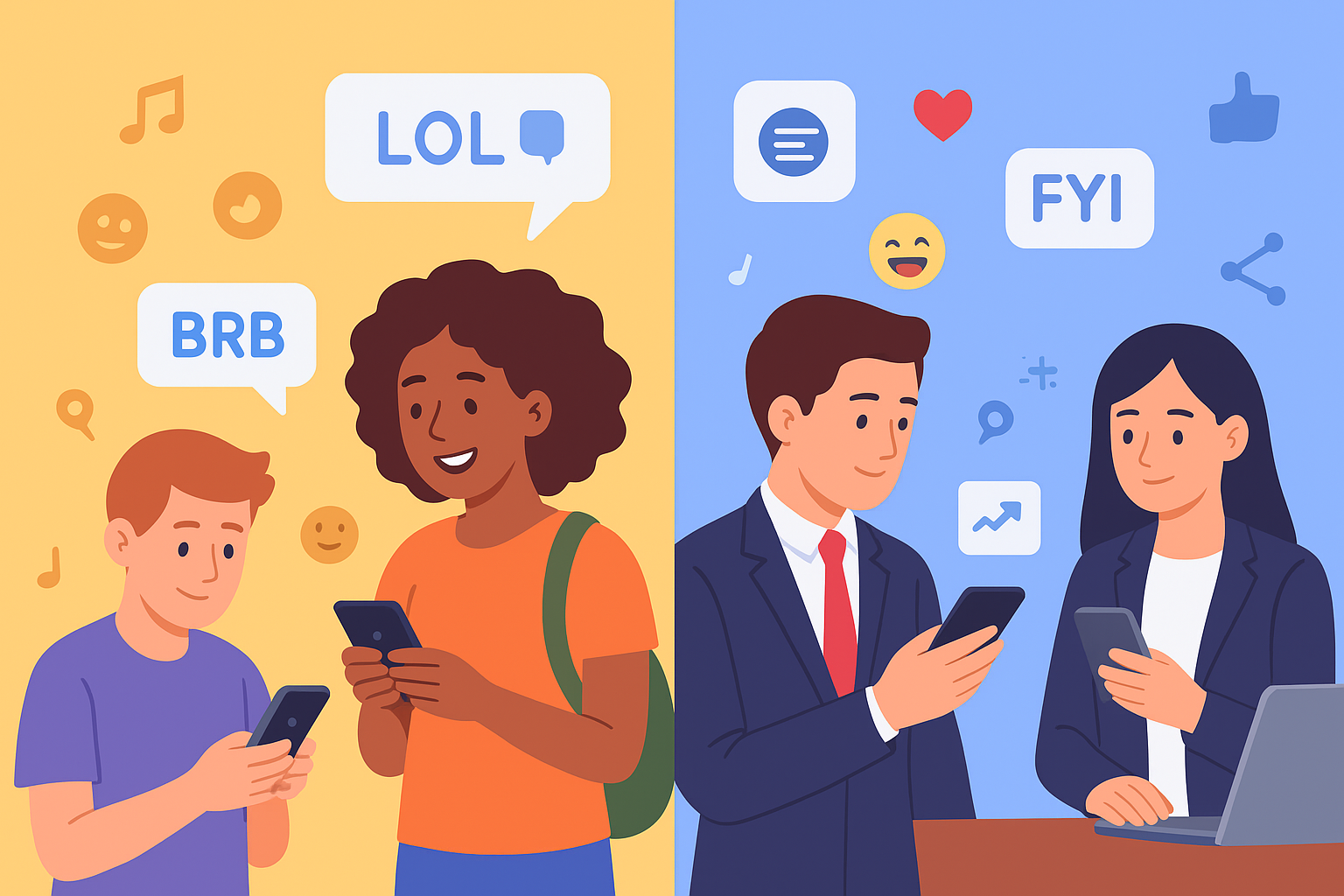
The first ever text message may have been “Merry Christmas,” but since then, text messaging has played a role in shaping humor, social interactions, and even politics.
The Future of Texting
Today, text messaging is evolving faster than ever. AI-driven chatbots, predictive analytics, and workflow SMS automations are redefining how people and businesses use the medium. Text messaging continues to adapt to meet the needs of both individuals and organizations.
Looking ahead, SMS will remain indispensable for both personal and business communication. Whether it’s managing a unified messaging inbox or designing workflow SMS systems that scale globally, the fundamental purpose remains the same: to keep people connected.
Conclusion
From old phone texting on numeric keypads to sophisticated platforms integrating with SMS inbox and unified messaging inbox solutions, the journey of text messaging has been extraordinary. Since the first ever text message in 1992, texting has redefined communication for both individuals and businesses. Questions like when the word text message invented or who invented texting remind us of its humble origins. Modern workflow SMS systems show us their limitless potential. As businesses embrace texting not only for communication but also for SMS marketing campaigns, the future looks bright.
FAQs
When was texting invented?
Texting was invented in 1992, with the first ever text message reading “Merry Christmas.”
When did texting come out?
Texting became widely available in the mid-1990s as networks began offering SMS support, and handsets like Nokia phones popularized it.
When was text messaging created?
The concept was created in the late 1980s, but the first usable system was launched in 1992.
When did texting begin?
Texting began officially in December 1992 with the first sent SMS.
Who invented texting?
Neil Papworth, a software engineer, is credited with sending the first message, but SMS was developed by a team of engineers from multiple telecom groups.
What was the first phone with text messaging?
Nokia was one of the first companies to release handsets that supported SMS, making old phone texting accessible to the masses.