 Back to Blog
Modern marketing thrives on precision.
Every click, view, and conversion tells a story. And when it comes to revealing what that story means, analytics will give you an answer.
Businesses that rely on intuition alone often waste time and resources on campaigns that don’t perform. On the other hand, those who master marketing campaign analytics continuously refine their approach to drive measurable growth.
Data-driven marketing is about knowing what to look for, how to interpret it, and how to act on it.
The Role of Analytics in Marketing Campaigns
Analytics help demonstrate the difference between what marketers think are working and what are actually working.
Analytics help provide objectivity and clarity whether it is the analysis of a marketing campaign or the management of a campaign portfolio.
Analytics in marketing campaign strategy have multiple layers:
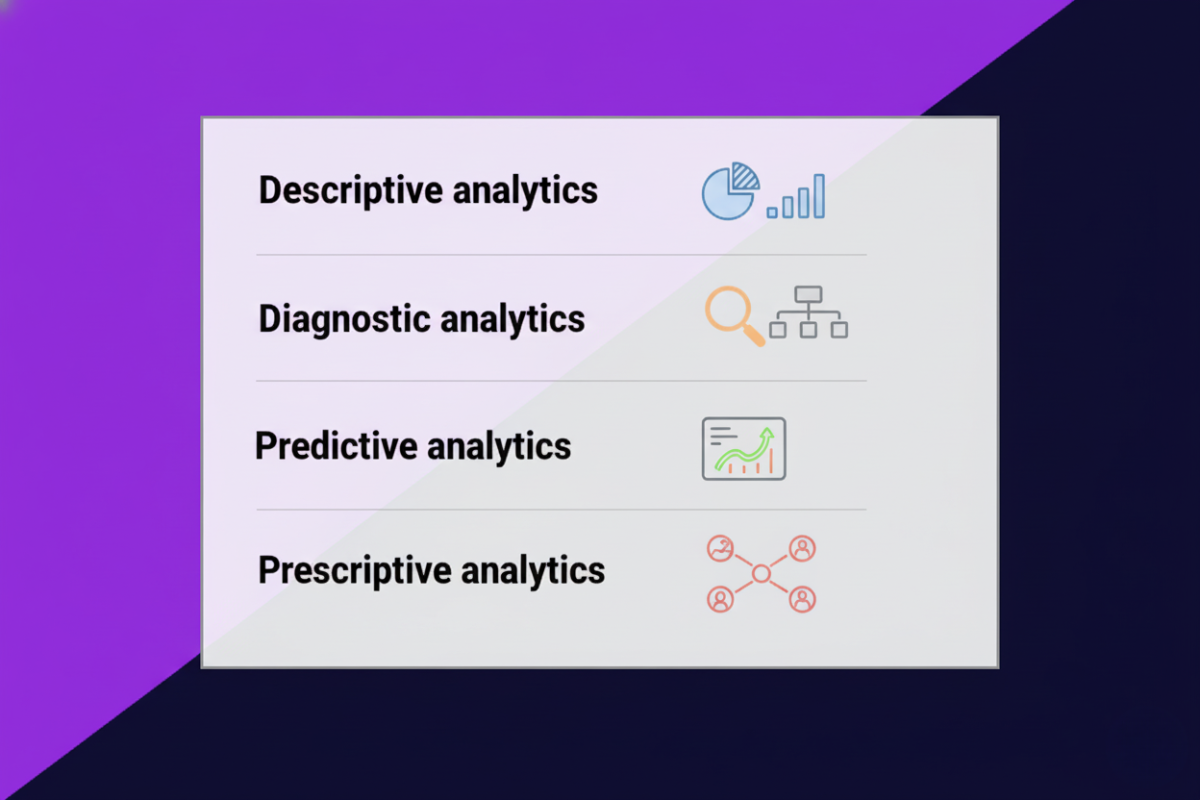
- Descriptive analytics: Explains what happened (click-through rates, impressions, engagement rates).
- Diagnostic analytics: Reveals why results happened (audience segments, timing, message resonance).
- Predictive analytics: Anticipates what’s likely to happen next, helping shape strategy and budget allocation.
- Prescriptive analytics: Recommends specific actions to improve outcomes.
What Kind of Analytics Enhances Marketing Campaigns?
Analytics help improve marketing campaign efficacy. Understanding which analytics categories are most relevant is key.
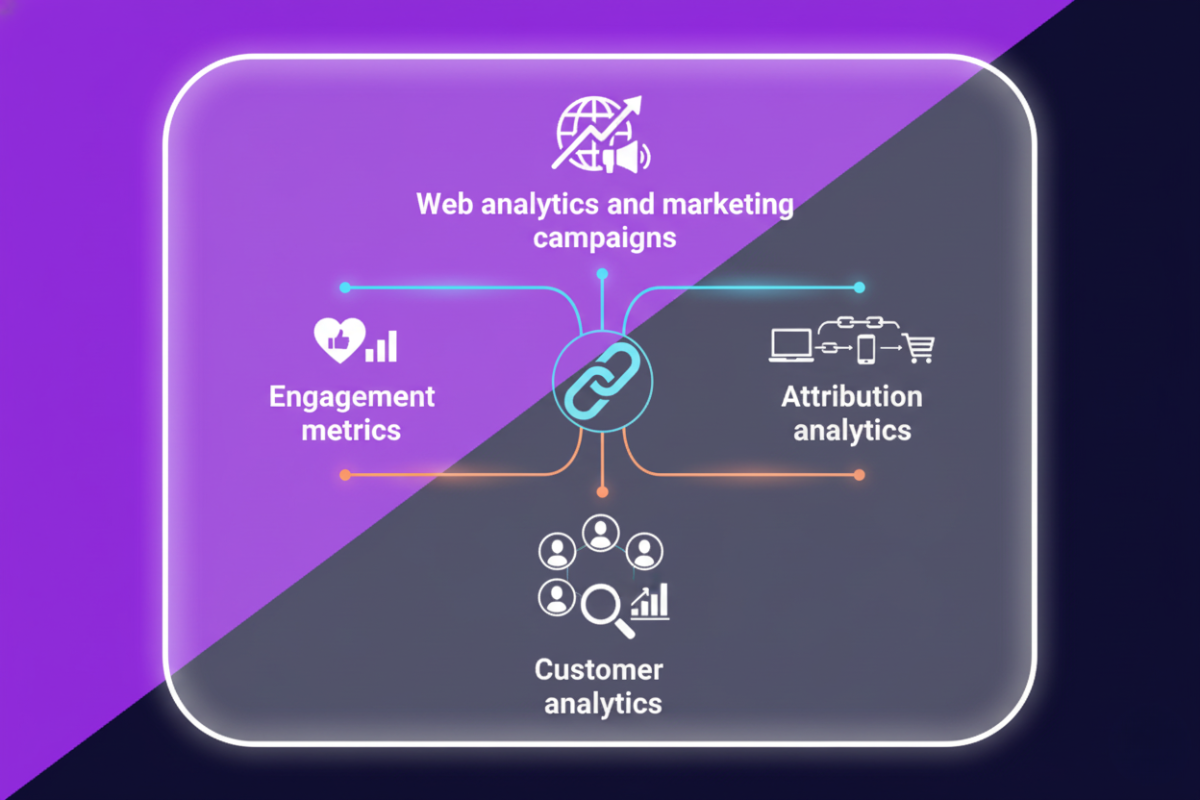
A complete picture is best created by a combination of quantitative and behavioral data:
- Web analytics: Track user behavior on websites (bounce rate, average session duration, and conversion paths) to uncover where leads drop off.
- Engagement metrics: Measure open rates, clicks, replies, and shares across email, SMS, and social platforms.
- Attribution analytics: Show which channels or touchpoints contribute most to conversions.
- Customer analytics: Offer insight into audience preferences, lifetime value, and churn prediction.
These various types of analytics allow marketing teams to adjust strategy in real time and maximize resources in the most efficient way.
Turning Data Into Action: Practical Ways to Use Analytics
Understanding the numbers is only half the battle. The real battle lies within the ability to turn raw data into action.
1. Identify Your Most Effective Channels
Use marketing analytics from the campaigns to determine which channels produce the highest.
For example, in a particular campaign, you may find that the organic traffic is producing higher quality leads as paid ads are giving you volume but a lower ROI. By understanding this, you'll be able to shift your budget towards which channels you find valuable in the long run.
2. Optimize Message Timing and Frequency
When it comes to the success of a campaign, timing can be everything.
Through a combination of their marketing campaign data and website analytics, marketers can determine when users are most active and responsive.
Simply adjusting when a message is sent can drastically change their engagement.
3. Improve Personalization
Refining personalization is about analytics. The advice is to partition data by specific personalization criteria so messages can be more targeted, such as demographics, interests, and prior behaviors.
This is especially helpful for targeted approaches like SMS marketing campaigns or WhatsApp marketing campaigns. Such strategies are based on critical timing and relevancy for engagement.
4. Track and Compare Campaign Performance
Anchoring your strategy in analytics gives your campaign structure. Assuming you have a solid marketing campaign analytics reporting process, every campaign you run will show you measurable outcome data.
This also gives you and your team the chance to spot and close performance gaps, and to scale the strategies that brought you the most success.
The Role of Google Analytics in Campaign Tracking
You've likely heard about the ability to track marketing campaigns through Google Analytics.
And for good reason, as there is no other tool that has gained as much to put this information.
In addition to basic web metrics, Google Analytics allows you to see referral traffic and the user flow and conversion rates of campaigns based on the parameters you set.
Here is an example of how UTM parameters assist advertisers in understanding how they reach their landing pages. They can be from a newsletter, a paid ad, or an SMS marketing ad. The collected data can inform which streams of lead traffic should be invested in or refined.
Pro Tip:
Marketers who have been in the field for a while often combine data from CRM software and advertising solutions into Google Analytics for the creation of bespoke dashboards. When consolidated into a single Analytics account, they often depict cross-channel campaign data patterns that are not made apparent in standard Analytics simplified channel reporting.
In doing so, you are provided a unique perspective that allows for more strategic and insightful future campaigns.
Using Analytics to Strengthen Long-Term Strategy
To establish a responsive growing system, and not just to enhance one single campaign, is the overarching goal.
Analytics provides the much-needed self-correcting loop necessary to keep refining the strategy. Here is how to leverage the accumulated data to make the marketing campaign results progressively better with time:
- Benchmark results: Compare new campaigns to historical averages.
- Spot trends early: Identify shifts in audience behavior before competitors do.
- Test hypotheses: Use A/B testing to validate assumptions about creative, copy, or targeting.
- Refine goals: Adjust key performance indicators (KPIs) based on evolving business priorities.
Analytics can progressively eliminate guesswork with each inactive cycle.
Building a Smarter Reporting Framework
Comprehensive marketing initiatives, analytics, and reporting structures enable teams and stakeholders to make sense of the data with ease.
A reporting system tailored to your needs will provide:
- Clear KPIs aligned with business goals
- Visual dashboards that track progress
- Periodic insights that guide next steps
With this setup, marketing campaign analytics solutions become diverse and foster collaboration instead of having insights remain siloed.
Start Turning Numbers into Strategy
Once you take into account website analytics, marketing campaign conclusions, refine personalization, and start testing continually, your business will undoubtedly improve engagement, reduce costs, and enhance customer relationships.
As marketing becomes increasingly omnichannel, the ability to interpret analytics determines who stays competitive.
Platforms like TopMessage allow marketers to apply data insights across multiple touchpoints, automating and optimizing everything from email workflows to advanced campaign reporting. It’s the practical bridge between analytics and action.
FAQs
What’s the first step in setting up a marketing campaign analytics?
Start by defining clear objectives and KPIs, whether it’s increasing conversions, reducing bounce rate, or improving retention. Then, set up proper tracking tools like Google Analytics, CRM integrations, and pixel tracking before running your campaign.
How often should campaign analytics be reviewed?
Weekly or bi-weekly reviews are ideal for active campaigns, while in-depth performance analyses should be done monthly or quarterly. Frequent reviews prevent small issues from becoming large inefficiencies.
Can analytics help predict future campaign success?
Yes. Predictive analytics models can analyze past behavior patterns to forecast likely outcomes, helping teams plan budgets, audience targeting, and creative decisions with greater accuracy.
What are the biggest mistakes marketers make with analytics?
Common errors include tracking too many metrics, ignoring context behind the numbers, and failing to act on insights. Analytics only create value when they drive informed decisions.
How can small businesses use analytics effectively?
Start simple. Track only the metrics tied to business goals, like conversion rates or average order value. Free tools like Google Analytics or built-in platform dashboards provide enough insight for most small-scale campaigns.